
I Spent 4 Years Thinking I Was Just Bad at Stress. A Charge Nurse Told Me I Had the Wrong Problem.
She put down her coffee and said: "You're not burned out. You have a biology problem. And that's actually fixable.
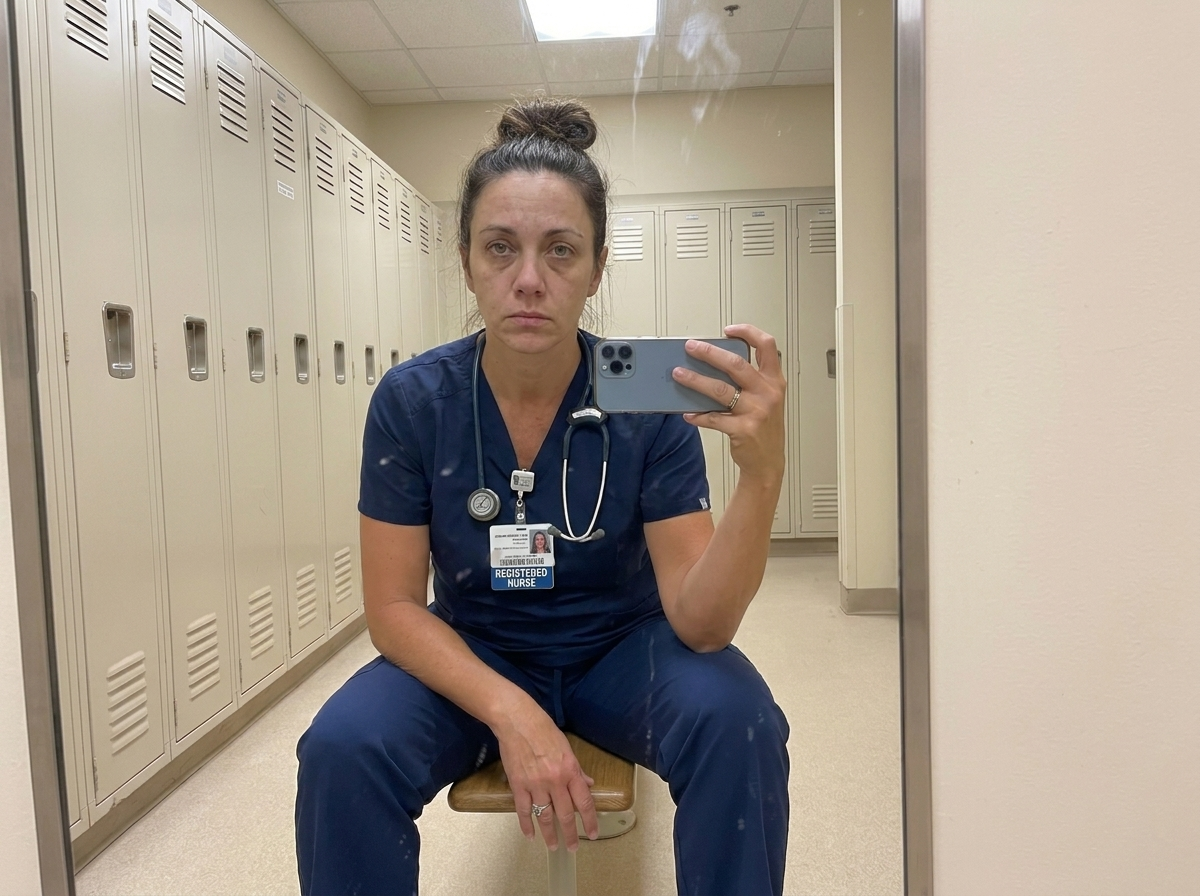
When my coworker said it to me, I had to ask her to repeat herself.
Because it meant that everything I thought was wrong with me...
Wasn't what I thought.
That every night I spent lying awake at 2 AM replaying my shift, wondering if I'd charted that, if I'd caught that, if I'd missed something, wasn't just "a nervous system that never learned to clock out."
That every time I sat in my car for five minutes before walking inside to my kids, it wasn't because I was weak.
That the wine I poured the second I got home wasn't a character flaw.
There was actually a reason my brain wouldn't shut off.
And once she explained it to me, I couldn't stop thinking about how many of us are out here suffering through the wrong problem.
If you've ever said “I just can't decompress”, read this.
I've been a floor nurse for 9 years.
And for the last 4 of them, I thought I was just... bad at dealing with stress.
I mean, we all are, right?
You go into nursing knowing it's hard. You tell yourself you're built for it. You clock in. You clock out. You go home.
Except, I never actually went home. Not really.
My body was in my kitchen making dinner. My brain was still on the unit.
Did I give that Lovenox? Did I update that chart? Why is my jaw clenched right now?
I'd go to bed exhausted, bone-tired, 12-hours-on-your-feet exhausted. And then lie there until 2 AM.
Not because I wasn't tired. Because my brain didn't have an off-switch anymore.
And then I started having pre-shift dread so bad I was dry heaving in my car.
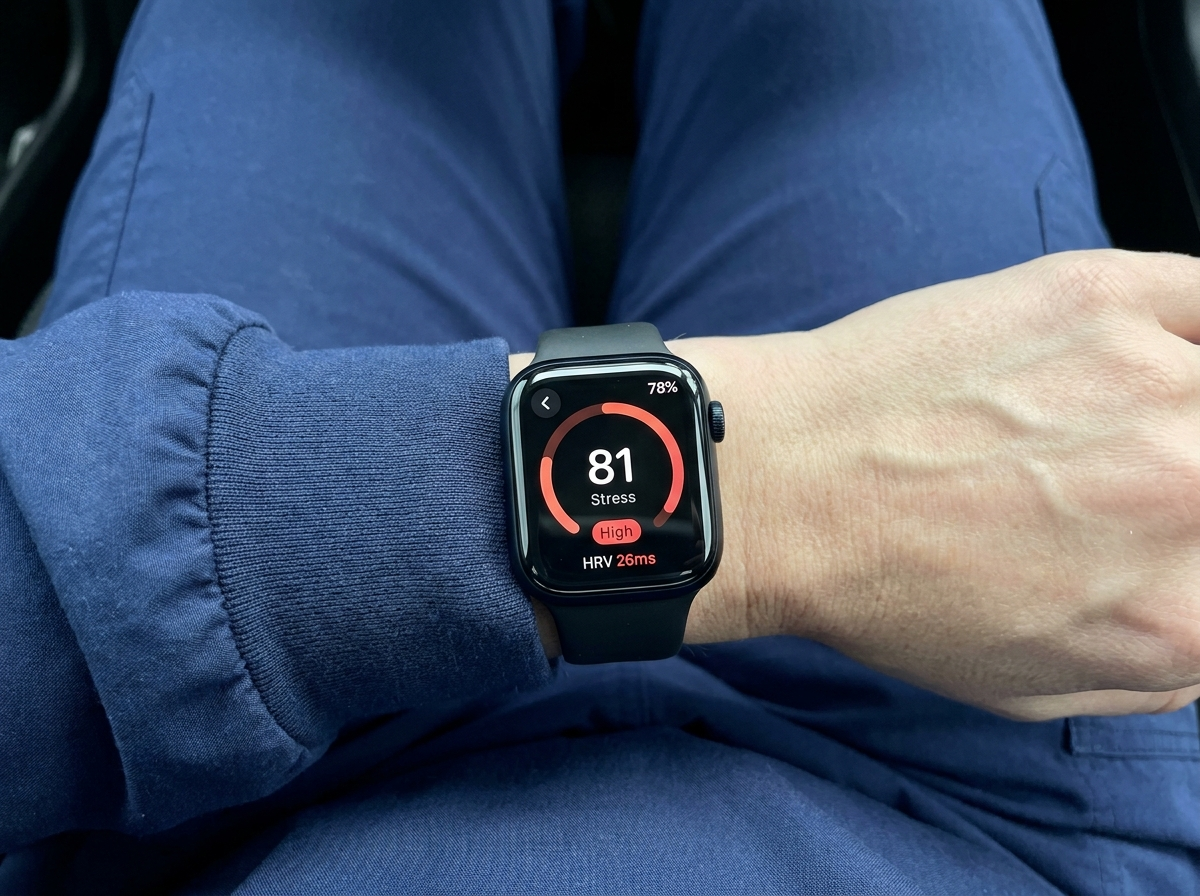
It started the night before.
I'd be fine all day. And then around 8 PM, something would shift. That familiar dread would crawl up from my stomach.
Back tomorrow. Three 12s in a row. You're not ready.
I'd go to bed dreading my alarm. Wake up already tense. Drive to the hospital already rehearsing worst-case scenarios.
I'd sit in the parking garage and give myself a little speech.
“You can do this. Get it together. You're a nurse.”
And then clock in and perform being okay for 12 straight hours.
Because that's what we do. We perform okay. We are the calm in the room for everyone else. We hold it together at 3 AM when a family is falling apart. We absorb it all.
And then we drive home. And we fall apart quietly. So quietly that nobody even notices.
Because by the time we walk through our front door, we've already put on the face. The “I'm fine” face. The “mama's home” smile. Even when we're running on empty.
“I sit in my car to put on my happy face for the family. I'm a real buzz kill after a tough shift if I don't mentally prep for the emotions of small humans.”
The worst part? I gave my patients the best version of me. My family got what was left.
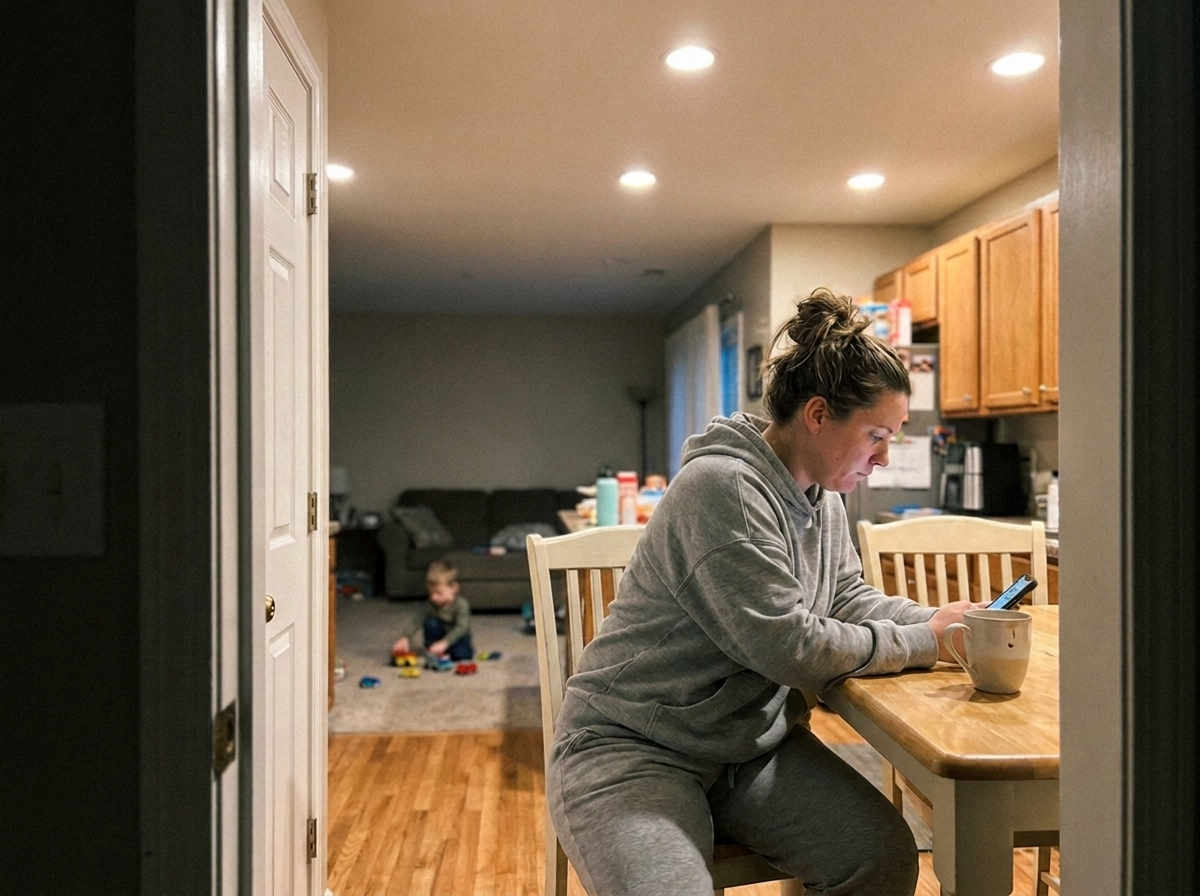
My husband would ask me how my day was. And I would say “fine.”
Not because it was fine. Because I had nothing left to explain it. My battery was at zero.
I didn't have the bandwidth to translate 12 hours of ICU into dinner table conversation. So I said fine. And I scrolled my phone. And I told myself I'd be more present tomorrow.
Tomorrow I'd sit with the kids at bedtime and actually listen. Tomorrow I wouldn't snap at him for leaving the dishes in the sink. Tomorrow I'd feel like myself again.
Except tomorrow I'd have a shift. And the tomorrow after that.
“I would compare it to a battery being completely drained during a 12 hr shift. Then one day off doing absolutely nothing would maybe fill it to 75%... but then you tack on laundry, errands, cleaning and it would dip back to 50% or less. You could just never get your battery back to 100%.”
That's not burnout.
That's something else.
And I didn't understand what it was until a colleague told me.
“You're not burned out. Your nervous system is stuck in fight-or-flight. And it doesn't know how to get out.”

We were sitting in the break room between our second and third 12.
She's a charge nurse. 18 years in. The kind of woman who has seen everything and still laughs.
I told her I'd been waking up at 3 AM again. That I'd tried melatonin. Tried journaling. Downloaded the Calm app twice. Deleted it twice.
She nodded. “Did any of it work?” “Not really.” She put down her coffee.
“That's because you're trying to fix a behavior problem when you have a biology problem.”
She explained it to me like I was a patient.
When you work in high-acuity environments day after day, your nervous system runs on cortisol. It has to, that's how you stay alert, sharp, responsive.
The problem is cortisol doesn't have a clock. It doesn't care that you clocked out. It doesn't care that you changed into your pajamas. It keeps running. Like a car engine you can't turn off.
And the longer it runs without a reset, the harder it is to ever actually come down.
That's why the wine helps, temporarily. That's why the weed helps, temporarily. That's why you feel fine for four days off and then the second your next shift comes up, the dread is already back.
Your nervous system never got to reset. It was just waiting.
“My brain never fully relaxes because it feels like it's always waiting for something.”
Yes.
That.
That's exactly it.
And here's what nobody in nursing school ever told us about how to actually fix it.
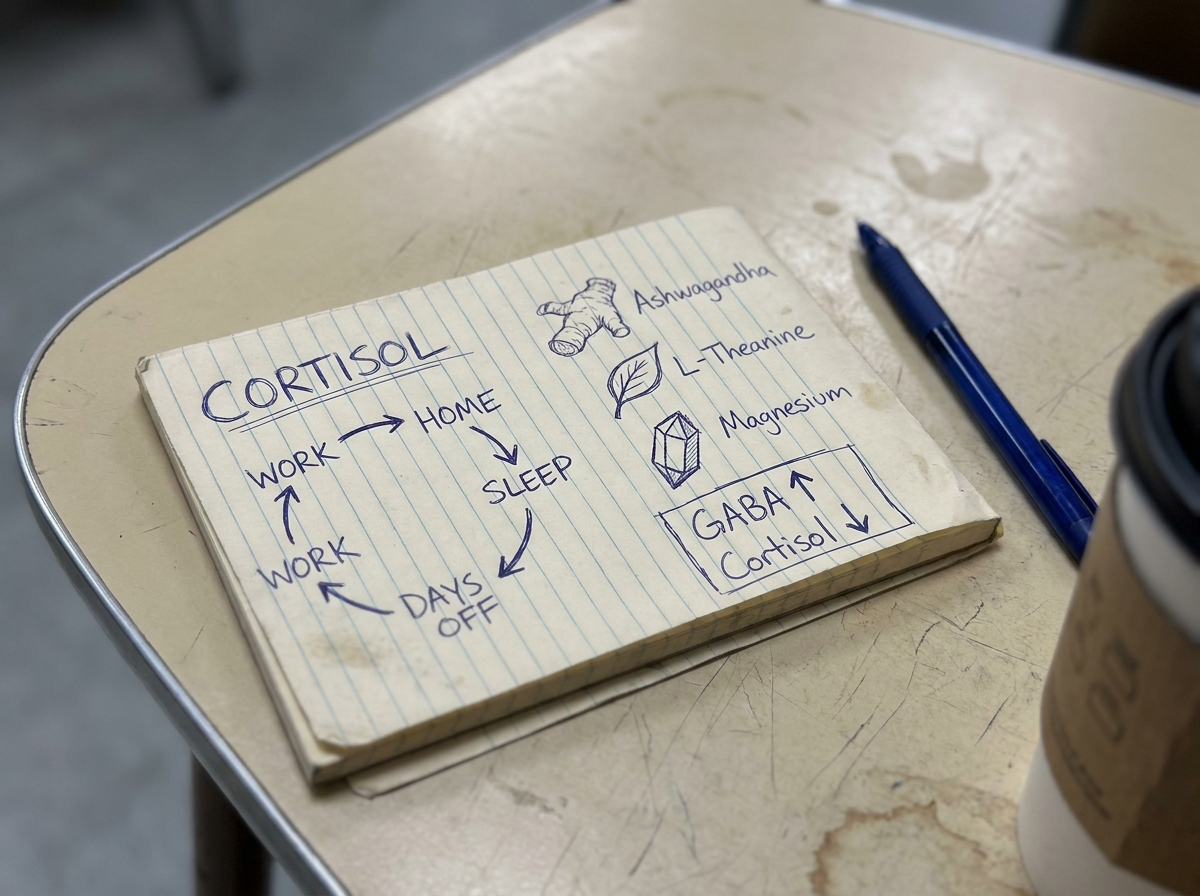
The problem isn't that you're weak. The problem isn't that you're bad at self-care.
The problem is that your body has a cortisol system that's chronically overloaded, and everything you've tried manages around it instead of working with it.
Meditation apps require a calm mind to use them. Kind of hard when your mind is replaying whether you charted the 0200 vitals.
Melatonin knocks you out but doesn't touch the stress hormones underneath. Which is why you wake up at 3 AM anyway, groggy, heart pounding, staring at the ceiling.
Wine brings cortisol down fast, but cortisol bounces back higher by morning. Which is why you wake up more anxious the day after a “relaxing” night.
None of it fixes the underlying problem. It just papers over it.
And the thing is, your body already knows how to regulate cortisol. It has a whole system for it. GABA. Magnesium. Adaptogen pathways. It just needs the right support to actually use them.
The same ingredient names you've probably already seen on Reddit. Ashwagandha. Magnesium glycinate. L-Theanine.
Except, and this is the part that matters, most of what's out there doesn't work. Not because the ingredients are fake. Because the doses are.
- Sleep through the night again
- Actually decompress after your shift
- Be present when you get home
“I tried ashwagandha. Did absolutely nothing.”
I've seen that exact comment hundreds of times.
And those people aren't wrong, it didn't work.
But here's why:
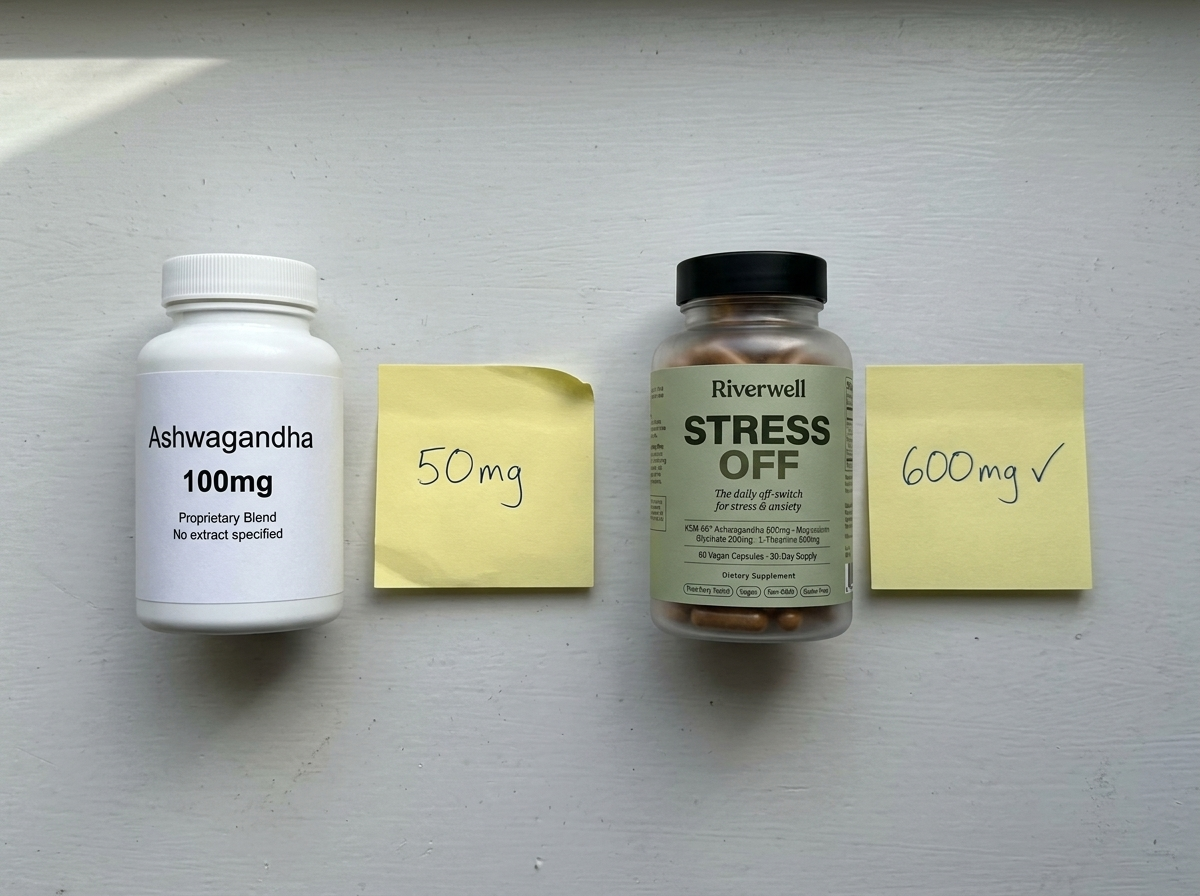
“I tried Sensoril, KSM-66, and a generic extract. The generic extract did nothing.”
The clinical studies on ashwagandha that actually showed results used a specific extract, KSM-66, at 600mg per day.
Most gummies on Amazon? 50mg. Sometimes 100mg. Of a generic root powder that your body barely absorbs.
It's not ashwagandha that failed you. It was an underdosed, wrong-extract product with a pretty label.
| Generic Ashwagandha | Riverwell Stress Off | |
|---|---|---|
| Ashwagandha dose | 50–100mg | 600mg KSM-66 |
| Extract type | Root powder | KSM-66 (clinical extract) |
| Magnesium form | Oxide | Glycinate |
| L-Theanine dose | 25mg | 200mg |
| Third-party tested | No | Yes |
That's not placebo sensitivity. That's just pharmacology.
Dose matters. Extract matters. Form matters.
My colleague pulled out her phone and showed me a label. Three ingredients. Full doses. Nothing hidden.
Six hundred milligrams of KSM-66 ashwagandha, the specific extract used in the clinical studies, not the generic root powder most brands use.
Two hundred milligrams of magnesium glycinate, the form that actually crosses into your nervous system and supports the calming pathway. Not the oxide version that gives you stomach issues.
Two hundred milligrams of L-Theanine, the compound in green tea that takes the edge off without sedating you. At 200mg it does something. The 25mg in most stress gummies is decoration.
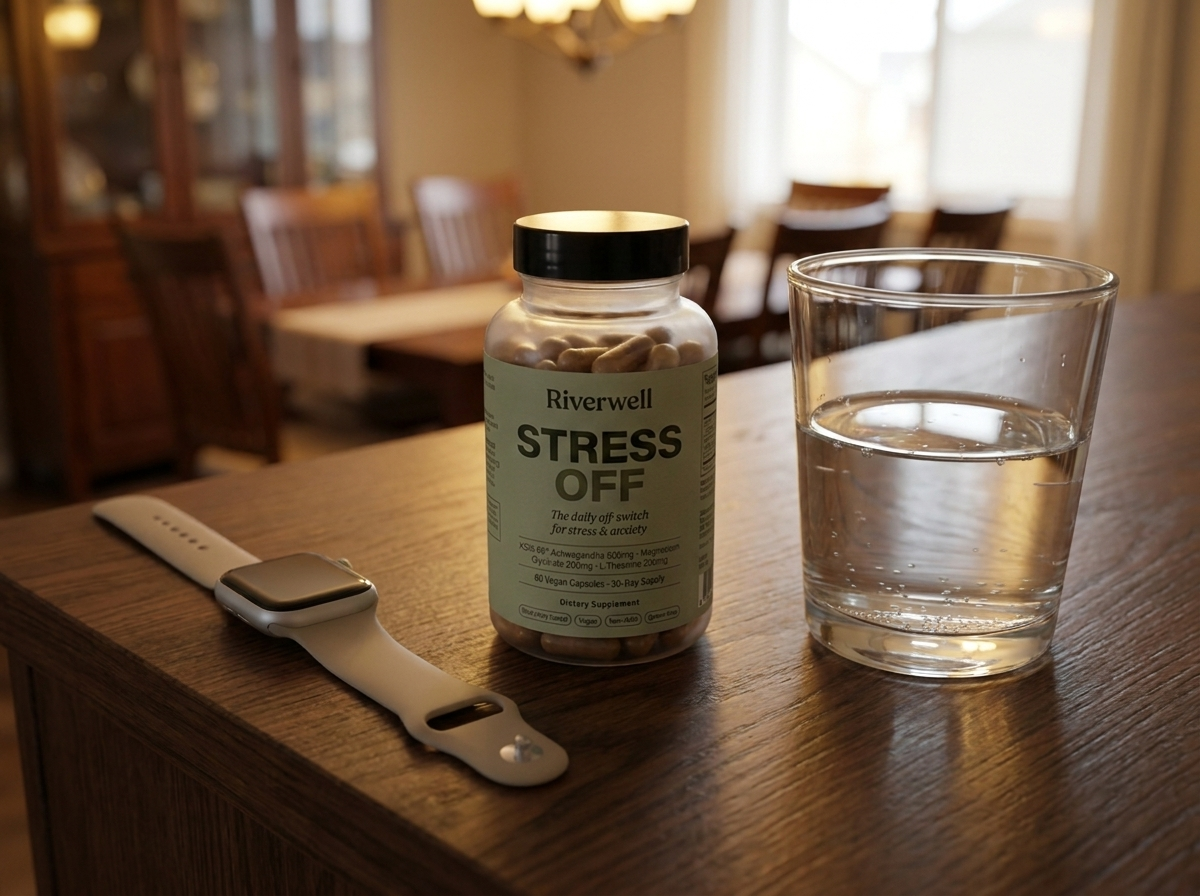
It's called Riverwell Stress Off.
I was skeptical. I want to be honest about that. I had been disappointed so many times. The mushroom capsules. The adaptogen blend with 11 ingredients and none dosed above 80mg. The app. The journaling. The weighted blanket.
I'd probably spent $400 on things that didn't work.
So I told her: “If this doesn't work, I'm done trying.” She laughed. “Just take it for two weeks. Tell me what you notice.”
Here's what I actually noticed. Not what I hoped. What actually happened.
I didn't notice some dramatic transformation. That's not how this works.
Around day three, I woke up at 3 AM like usual. Old habit. But instead of lying there for an hour, replaying charts, running through my shift, heart going, I just fell back asleep. That hadn't happened in years.
In week two, my husband said something mildly annoying. One of those things that on a normal week would have set me off because I had zero margin left. I let it go. I literally just let it go. He looked at me like I had two heads.
Week three. I pulled into the driveway after a 12. And I walked inside. I didn't sit in the car. I didn't need five minutes to prepare the version of myself that could handle a house full of people.
I was just okay. Not performing okay. Actually okay.
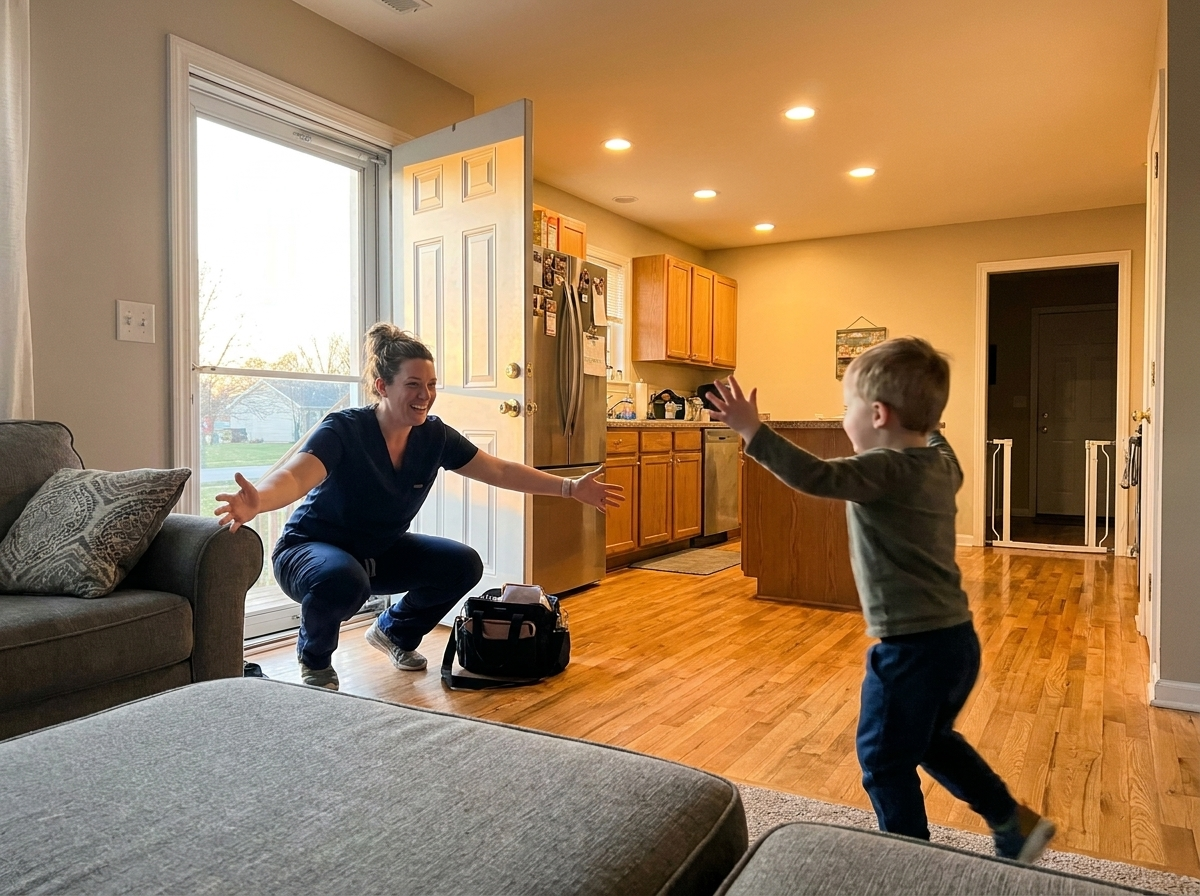
My daughter asked me to read her a book and I said yes and I meant it.
That was the moment I cried.
Because I had forgotten what it felt like to actually be home when I was home.
What nurses who've tried Riverwell actually say:
“I didn't think supplements worked. I'd been burned before. But I noticed around day 10 that I wasn't waking up at 3 AM anymore. That alone was worth it.”
“I sit in my car for 5 minutes before going inside after every shift. After 3 weeks on Riverwell, I don't do that anymore. I just... walk in. It sounds small. It's not small.”
“I snapped at my husband every night after work. Not because I wanted to, I just had nothing left. Week 2 I noticed I wasn't doing that anymore. He asked what changed. I showed him the bottle.”
“I've tried Calm, melatonin, the whole lavender-bath thing. Nothing stuck. This is the first thing that actually made a difference in how I feel when I'm not at work.”
Before you decide, a few things I needed to know first.
A few months ago, I was you.
Running on coffee and cortisol and the kind of tired that sleep doesn't fix.
Giving everything to my patients. Giving the leftovers to my family. Lying awake replaying a shift I couldn't change. Sitting in parking lots to find a version of myself that could walk through the front door.
I'm not telling you Riverwell is a miracle. I'm not telling you it will fix everything.
What I'm telling you is this:
Your brain not switching off after your shift, that's not a personality flaw. Your body staying tense even on your days off, that's not who you are.
You have a nervous system that has been running on overdrive for so long it's forgotten what calm feels like. And the right support, at the right dose, can remind it.
You didn't get into nursing because you were good at taking care of yourself. You got into nursing because you're good at taking care of everyone else.
It's okay to try something that works for you.
"It's wild how much energy it takes to just exist when your nervous system won't slow down."
Yeah. It is.
You deserve to exist with less of that weight.
Try it for 60 days. If it doesn't change what your evenings feel like, every dollar back. No questions. No judgment.
But if it does work? You'll notice it the first time you walk through your front door and you're actually there. Not still on the unit. Actually home.
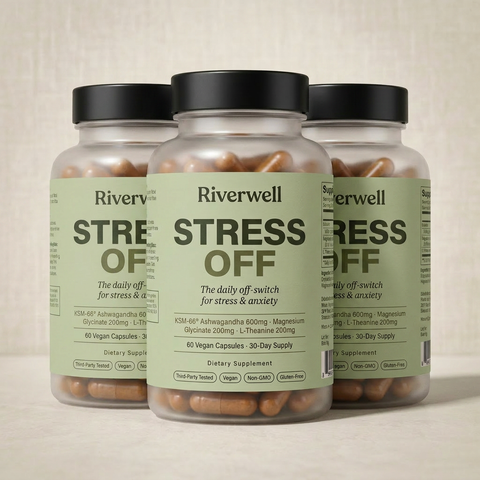
These statements have not been evaluated by the Food and Drug Administration. This product is not intended to diagnose, treat, cure, or prevent any disease. Individual results may vary. Testimonials represent personal experiences and do not guarantee the same results for all users. Consult a healthcare professional before starting any supplement.
This is a paid advertorial. Results are not typical. This site is not affiliated with Facebook, Meta, Google, or any other advertising platform.